
One of the most common regrets UK buyers mention after purchasing a replica watch is not that the watch looked bad,
but that it failed to hold their interest over time. The initial excitement fades quickly if the watch does not integrate
naturally into daily life. This is why experienced buyers have become increasingly selective—not because they expect perfection,
but because they want longevity.
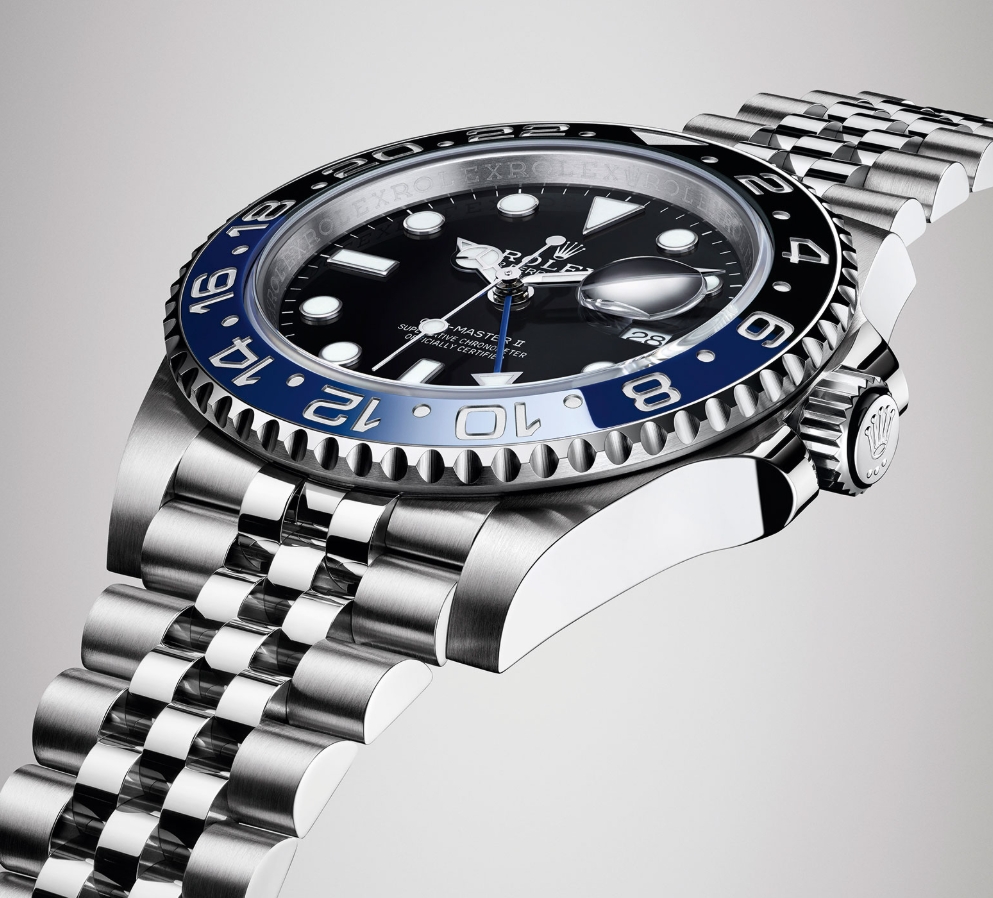
Best Rolex GMT-Master II Replica
Rather than chasing the newest release or the most aggressive pricing, many now begin by reviewing stable, well-presented catalogues such as this UK-oriented selection,using them as a reference for what a “safe” purchase should feel like.
Why First Impressions Are No Longer Enough
A replica watch can look convincing in the first five minutes. UK buyers know this.
What matters is how the watch behaves after several hours—during commuting, desk work, or social settings.
Buyers increasingly focus on subtle questions:
- Does the case press uncomfortably against the wrist when typing?
- Does the bracelet feel stiff after extended wear?
- Does the watch draw attention for the right reasons—or the wrong ones?
If the watch starts to feel intrusive rather than supportive, it is quietly retired from rotation.
The Shift Toward “Wearability-First” Thinking
In the UK, replica watches are now evaluated less as collectibles and more as wearable objects.
Buyers are asking how a watch fits into real routines, not how closely it photographs to the original.
Weight distribution reveals intention
A well-balanced replica distributes its weight evenly across the wrist.
Top-heavy cases or bracelets that pull awkwardly to one side signal poor engineering.
Buyers may not articulate this technically, but they feel it immediately.
Case profile matters more than diameter
While many listings emphasise case size, UK buyers pay closer attention to thickness and curvature.
A watch that sits too high feels impractical, especially under business attire.
Where Buyers Quietly Lose Trust
Trust is rarely lost in dramatic ways. Instead, it erodes through small inconsistencies.
Common red flags UK buyers notice include:
- inconsistent finishing between similar models
- product photos that vary wildly in lighting and colour tone
- descriptions that overpromise but under-explain
- bracelets that look solid but feel loose in motion
Once these doubts appear, buyers hesitate—sometimes abandoning the purchase entirely.
Why Consistency Outperforms Claims
UK buyers have learned that bold claims mean very little.
What earns confidence is repetition—seeing the same level of finishing, dial execution, and bracelet quality
across multiple models.
This is why structured platforms like https://swissmade.uk.com are often referenced during comparison.
A consistent baseline reduces decision fatigue and lowers perceived risk.
The Role of Dial Design in Long-Term Satisfaction
Dial design quietly determines whether a watch remains appealing.
UK buyers often describe losing interest in a watch because “something felt off,”
only to later realise it was the dial that never quite settled.
Clean spacing keeps the design calm
Overcrowded dials fatigue the eye.
Buyers appreciate restrained layouts that remain readable at a glance.
Natural colour tones age better
Highly saturated colours may impress initially,
but softer tones tend to feel more timeless.
UK buyers gravitate toward dials that complement clothing rather than dominate it.
Why Many Replicas Are Bought—but Few Are Worn
It’s common for buyers to own several replicas but regularly wear only one or two.
The difference usually comes down to comfort and confidence.
A watch that feels natural builds trust.
A watch that constantly reminds the wearer of its presence does not.
How Buyers Validate Their Decision After Purchase
After wearing a replica for a few days, UK buyers subconsciously reassess their decision.
- Do I reach for this watch without thinking?
- Does it suit multiple settings?
- Am I comfortable wearing it all day?
If the answers are positive, the watch becomes part of their routine.
If not, it is quietly replaced.
The Market Direction Is Becoming Clearer
The UK replica watch market is evolving toward refinement, predictability, and long-term wearability.
Buyers are no longer impressed by novelty alone.
They want watches that make sense in daily life.
Retailers who recognise this—by offering consistent quality and realistic presentation—will continue
to gain trust and visibility.
In the end, UK buyers are not chasing perfection.
They are chasing comfort, balance, and a sense that their purchase was genuinely worth making.